Undergoing surgery—whether minor or major—is a significant event for both the body and the mind. While doctors, nurses, and medical staff take care of the technical aspects, there’s something very personal you can do to speed up your recovery: nourish your body with the right food. The days before and after surgery are crucial, and your diet plays a bigger role than you might think. Here’s a practical and humanized look at what you should eat and why it matters, as shared by India’s top general and laparoscopic surgeon, Dr Amita Jain, in this blog.

What to Eat Before Surgery?
Think of your body as a team getting ready for a big match. The better the preparation, the better the performance—and healing. About one to two weeks before surgery, focus on strengthening your immune system and reducing inflammation.
Load Up on Protein: Protein helps repair tissue and boosts your immunity. Include lean meats like chicken and fish, eggs, tofu, legumes, and dairy. If you’re vegetarian or vegan, mix different plant proteins to ensure you’re getting all essential amino acids.
Eat the Rainbow: Brightly colored fruits and vegetables are rich in antioxidants, vitamins, and minerals. Think spinach, carrots, bell peppers, berries, oranges, and beetroot. These nutrients help reduce inflammation and keep your immune system on guard.
Whole Grains Matter: Brown rice, oats, quinoa, and whole wheat bread offer complex carbs, which give your body steady energy and aid digestion—important since anesthesia and medications can slow down your gut.
Hydrate Mindfully: Water is often underrated. Aim for at least 8 glasses a day. Skip sugary sodas and alcohol in the week leading to surgery—both can dehydrate and weaken your system.
Avoid Junk and Processed Foods: High-sugar, high-sodium foods burden your body and increase inflammation. Stick to home-cooked meals as much as possible.
A Quick Note: Depending on your procedure, your doctor might give you specific guidelines like fasting before surgery. Always follow those instructions strictly.
What to Eat after Surgery?
Once surgery is done, your body shifts into healing mode. This is not the time to diet or skip meals. Healing takes energy, nutrients, and patience.
Small, Frequent Meals: You might not feel like eating much at first. That’s okay. Try light, nutritious meals every few hours to avoid nausea and keep your strength up.
Prioritize Protein Again: Protein is still your best friend—think of it as the building blocks your body needs to repair tissues, muscles, and skin. Soft foods like scrambled eggs, protein shakes, dal, or yogurt can be easy on your stomach initially.
Fiber and Fluids: Post-surgery meds can cause constipation. So, include high-fiber foods like fruits, vegetables, and whole grains once your stomach can handle them. Don’t forget to drink enough water to keep things moving.
Heal with Anti-Inflammatory Foods: Turmeric, ginger, garlic, berries, and leafy greens help reduce swelling and promote faster healing.
Avoid These:
Steer clear of hard drinks, caffeine (at least for a few days), processed junk, and foods that make you bloated or gassy.
A good diet isn’t just about food—it’s about caring for yourself when your body is most vulnerable. Listen to your hunger cues, eat mindfully, and don’t rush the process. Healing takes time, and your plate can be a powerful ally in getting you back on your feet, stronger than before.
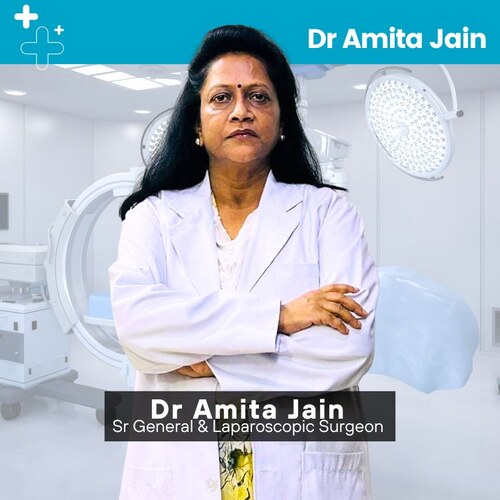
Dr Amita Jain, one of the most experienced General and Laparoscopic Surgeons in Delhi, is widely recognised for her expertise in hernia, piles, gallbladder, fissure, and fistula surgeries. With an outstanding career spanning over 29 years, Dr Amita Jain has earned her place among the top General and Laparoscopic surgeons in Delhi and India, known for her precision, compassion, and consistent surgical excellence. She was the Professor of Surgery at the Army College of Medical Sciences and Base Hospital, Delhi Cantt. In 1994, she was commissioned as a surgeon under the United Nations Mission in Congo.
Dr Amita Jain currently serves as the Head of Department, Laparoscopic and Trauma Surgery at Artemis Lite Hospital (Delhi), Senior General and Laparoscopic Surgeon at Rosewalk – Luxury Maternity Hospital in Delhi and Rainbow Children Hospitals (at Malviya Nagar and Panchsheel Park, New Delhi)
Dr Amita Jain has successfully performed a wide range of complex general surgeries, including both open and minimally invasive procedures, with a strong focus on trauma care, onco-surgical techniques, and reconstructive surgeries. Her medical specialisation includes – Gallbladder surgeries, appendix removal surgeries, hernia repair surgeries, Pilonidal Sinus treatments, varicose vein and piles surgeries, fistula surgeries and fissure surgeries.
Dr Amita Jain has also authored some of the key medical journals and publications, like ResearchGate, IJSR
Note: the articles are written with Dr Amita Jain’s professional insights and referring to her medical publications.