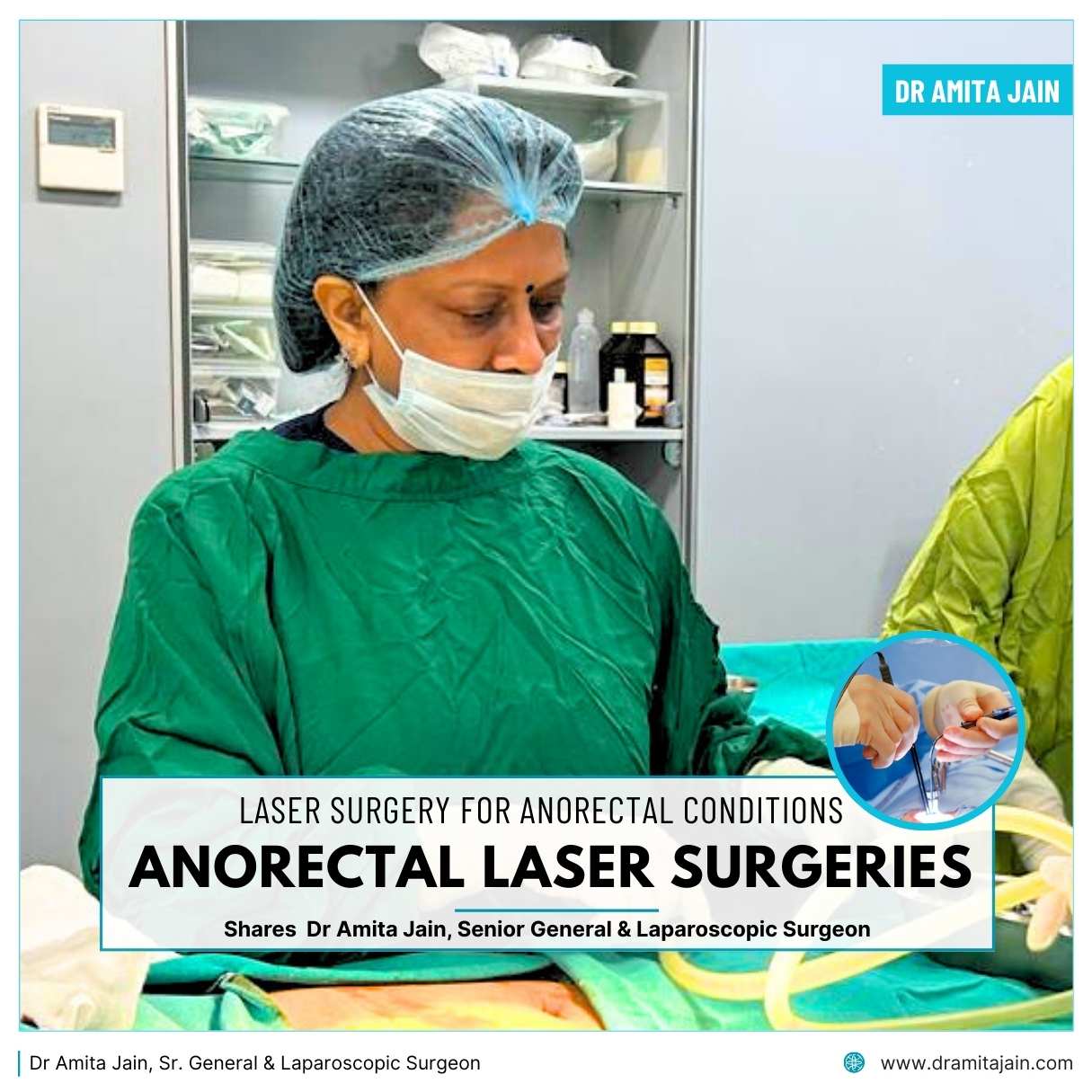
When you’re dealing with pain or bleeding in the rectal area, the biggest hurdles are usually embarrassment and the fear of a painful recovery. Dr Amita Jain, a Senior General & Laparoscopic Surgeon in Delhi, has spent nearly 29 years refining a surgical approach that focuses on making these treatments as discreet and painless as possible.
Her background as the first lady trauma surgeon in the Indian Army means she handles complex cases—like recurrent fistulas or high-risk piles during pregnancy—with a level of calm and precision rarely found in private practice.
Currently, the Senior General & Laparoscopic Surgeon at Fortis C-DOC Hospital, Dr Jain brings a level of expertise shaped by her time at AIIMS and her service as a trauma surgeon in the Indian Army.
Apart from Artemis Lite, she is also a senior general and laparoscopic surgeon at Rosewalk Luxury Maternity Hospital, Panchsheel Park, Delhi, Fortis C-DOC B-16, Chirag Enclave, Delhi and Rainbow Children’s Hospital, Malviya Nagar, South Delhi. She has a Post Doctoral Fellowship in Trauma & Critical Care from AIIMS, New Delhi.
"In my experience as a General, Laparoscopic and trauma surgeon for the Indian Army, precision is not optional, it is life-saving. I apply that same military discipline to anorectal surgeries, where protecting the anal sphincter muscles is the difference between a successful cure and long-term complications." — Dr. Amita Jain
What is anorectal surgery?
Anorectal surgery treats conditions of the rectal passage and surrounding tissues, such as piles, fistulas, and fissures. Dr. Amita Jain utilizes advanced laser and stapling techniques in Delhi to ensure these procedures are minimally invasive, prioritizing sphincter preservation and a 'day-care' recovery model where patients return home within 24 hours.
Dr Amita Jains says “When we talk about anorectal surgery, we are not simply talking about a procedure; we are talking about restoring your quality of life. These treatments concentrate on the rectal area to address the physical causes of chronic pain and bleeding, using modern techniques that make recovery much faster than it used to be”.
Anorectal Treatment Comparison: Laser vs. Traditional Surgery
| Feature |
Dr. Jain's Approach - Laser or Stapled Surgery |
Traditional Open Surgery |
| Pain Level |
Minimal to none |
High (requires heavy painkillers) |
| Hospital Stay |
Day-care (6–12 hours) or 24 Hours |
2–4 Days |
| Recovery Time |
3–5 Days |
2–4 Weeks |
| Recurrence Risk |
Extremely Low (precision-based) |
Moderate |
Note - Medically Reviewed by Dr. Amita Jain | Senior General and Laparoscopic Surgeon | Updated May 2026.
Treatments and Surgeries for Common Anorectal Conditions
Piles Treatment: Dr Jain specializes in grade 3 and 4 piles, where traditional methods often fail. By using laser and stapling techniques, she prioritizes a faster return to daily activities with minimal post-surgical discomfort.
For Laser Hemorrhoidoplasty (LHP) or Laser Piles surgery, Dr Jain uses US FDA-approved Diode Laser technology (typically 980/1470 nm) to treat hemorrhoids by shrinking them with controlled heat, resulting in minimal pain, faster recovery, and no surgical cuts. It is a daycare procedure that allows patients to return to normal activities within a few days. Learn More
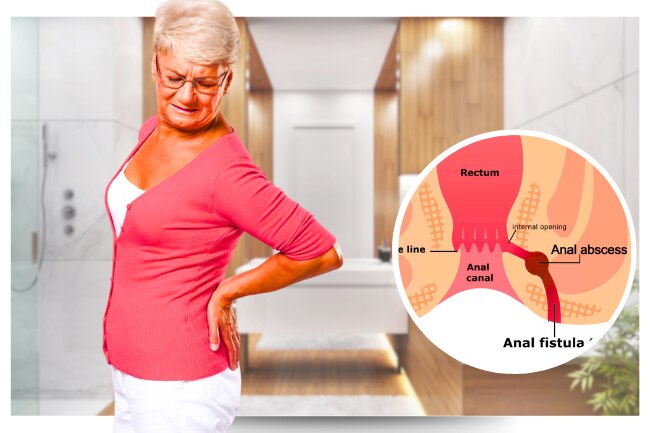
Fistula Treatment: Dr Jain specializes in complex intersphincteric and transsphincteric fistulas. She will use advanced laser technology to close these 'tunnels' while preserving the muscle function, ensuring a high success rate with a significantly lower risk of recurrence.
As a leading Proctologist in Delhi, Dr Jain uses US FDA-approved Diode Laser technology used for treating anal fistula, which is associated with a procedure known as FiLaC (Fistula-tract Laser Closure). Unlike traditional surgeries that involve cutting through muscle, this technology uses a specific wavelength of light to "seal" the fistula from the inside out. Learn More
Fissure Treatment: For issues such as chronic fissures that have not responded to ointments, Dr Jain provides painless laser sphincterotomy. This procedure provides immediate pain relief and lets most patients to go home the same day.
Dr Jain uses US FDA-approved diode laser technology for treating anal fissures (chronic anal fissure, or CAF) by utilizing a minimally invasive, sphincter-preserving approach, that is commonly called as Laser Fissuroplasty (LaFiP) . Learn More
Anorectal Treatments During Pregnancy
Dr Jain ensures that pregnant women receive care tailored to their unique health needs. She focuses on safe, non-invasive remedies first to treat anorectal issues likes Piles, Fissure and Fistula, during and after pregnancy —like increasing fiber intake, sitz baths, gentle exercises, cold compresses, and hydration. These help in relieving pain, itching, and swelling naturally.
FAQ for Anorectal Surgery Treatments and Surgeries
When Should Someone Consider Anorectal Surgery?
As explained by Dr Amita Jain, surgery is considered when symptoms persist despite medical care and start affecting daily life:
- Persistent Rectal Pain: Discomfort that does not improve with medicines or home care.
- Recurrent Bleeding: Repeated bleeding episodes during bowel movements.
- Non-Healing Conditions: Piles, fissures, or fistulas that keep returning.
- Difficulty Sitting or Walking: Pain interfering with routine movement.
- Infection or Discharge: Swelling, pus discharge, or fever indicating complications.
Are Modern Anorectal Surgeries Painful?
Dr Jain explains that advances in technique have made procedures far more comfortable than traditional surgery:
- Minimally Invasive Techniques: Laser and stapling methods reduce tissue trauma.
- Shorter Procedure Time: Faster surgeries mean less anesthesia exposure.
- Reduced Post-Operative Pain: Modern tools minimize nerve irritation.
- Early Mobility: Patients can usually move within hours of treatment.
- Day-Care Procedures:Many cases do not require long hospital stays.
How Long Does Recovery Usually Take?
Recovery depends on the condition treated and the procedure performed:
- Laser Procedures: Most patients resume light routine within a few days.
- Stapled Surgeries: Faster healing compared to conventional open surgery.
- Complex Cases: Fistula or recurrent disease may need longer recovery.
- Gradual Activity Return: Strenuous work avoided for a few weeks.
- Guided Healing Plan: Diet and bowel care speed up recovery.
Is Anorectal Surgery Safe for Women and Elderly Patients?
Dr Jain emphasizes that treatment plans are carefully adapted for patient safety:
What Conditions Are Commonly Treated with Anorectal Surgery?
Treatment is focused on resolving the root cause of chronic anorectal problems: