Shares India’s Top Laparoscopic Surgeon for Fistula Dr. Amita Jain
A fistula is an abnormal connection or passageway that forms between two organs, vessels, or structures in the body that are not normally connected. It can develop as a result of injury, infection, inflammation, or surgery. Fistulas can occur in various parts of the body, including the digestive system, the urinary system, the reproductive system, and even between blood vessels.
A fistula typically forms near the upper part of the inner buttock where glands are located. Infection of these glands, known as a perianal abscess, can lead to the development of a fistula.
Dr Amita Jain, India’s top laparoscopy surgeon for fistula, shares a few diet tips that might help relieve the pain and discomfort when one is suffering from a fistula.
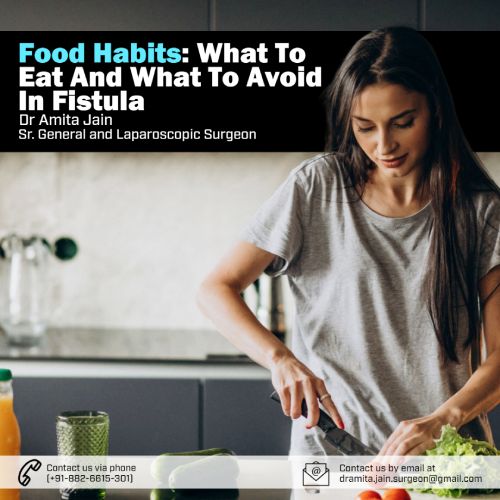
What is a good diet to keep a fistula in check?
1. Fibre-Rich Foods – Incorporate fiber-rich foods into your diet to promote bowel regularity and prevent constipation, which can exacerbate fistula symptoms. Choose fruits like apples, berries, and pears, as well as vegetables such as cabbage, broccoli, cauliflower, spinach, radish, tomatoes, carrots, etc. Whole grains like oats, quinoa, and brown rice are excellent choices too.
2. Hydration – Stay well-hydrated by drinking an adequate amount of water throughout the day. Sufficient water intake promotes soft stools and prevents dehydration, which is essential for overall health.
3. Eat Vegetables, fruits and nuts – A diet rich in vegetables, fruits, and nuts can aid in treating fistula by promoting healing, reducing inflammation, and providing essential nutrients. Foods like leafy greens (spinach, kale), fruits (berries, papaya), and nuts (almonds, walnuts) offer vitamins, minerals, and antioxidants that support the body’s recovery process. Additionally, these foods are easily digestible, easing the strain on the digestive system, which can be beneficial for those with fistulas.
4. Healthy Fats – Consume healthy fats from sources like avocados, nuts, seeds, and olive oil. These fats help in nutrient absorption and provide a source of energy.
5. Probiotics – Probiotic-rich foods like yogurt and fermented products can aid gut health by promoting the growth of beneficial bacteria. This can be particularly helpful for patients with digestive system fistulas.
6. Fish – Salmon, mackerel, and sardines are omega-3-rich fish with anti-inflammatory properties. They aid people with certain types of fistulas by reducing inflammation and are easily digestible for those with gastrointestinal issues.

Food to avoid to keep the fistula in check?
1. Spicy Foods – Spicy and acidic foods can irritate the digestive tract and worsen symptoms for some fistula patients. Common culprits include hot peppers, tomatoes, citrus fruits, and vinegar.
2. Caffeine and Alcohol – Both caffeine and alcohol can dehydrate the body and may interfere with medications. Limit or avoid beverages like coffee, tea, and alcoholic drinks.
3. Processed Foods – Processed foods are often high in sodium, unhealthy fats, and artificial additives. These can lead to inflammation and hinder the healing process. Avoid processed snacks, canned foods, and fast food whenever possible.
4. Say NO to sugary foods – Excess sugar can disrupt blood sugar levels and lead to inflammation. Minimize sugary foods like candies, pastries, and sugary beverages.
5. Processed Foods – Processed foods are often high in sodium, unhealthy fats, and artificial additives. These can lead to inflammation and hinder the healing process. Avoid processed snacks, canned foods, and fast food whenever possible.
6. Carbonated Beverages – Carbonated drinks may lead to gas buildup and discomfort for some patients.
Takeaway
Remember that dietary changes are just one aspect of managing fistulas, and regular medical follow-ups and adherence to the prescribed treatment plan are crucial for a successful outcome.

Dr Amita Jain is one of India’s most distinguished and experienced female surgeons and proctologists, known for her unmatched expertise in general, advanced laparoscopic, and laser proctology surgery. With over 30 years of surgical excellence, Dr Amita Jain has built a reputation for precision, compassionate care, and advanced surgical techniques.
Dr Jain has successfully performed a wide range of complex general surgeries, including both open and minimally invasive procedures, with a strong focus on trauma care, onco-surgical techniques, and reconstructive surgeries. Her medical specialisation includes: gallbladder surgeries, appendix removal surgeries, hernia repair surgeries, Pilonidal Sinus treatments, varicose vein and piles surgeries, fistula surgeries and fissure surgeries.
Dr Jain, currently serves as Senior Consultant and Head of Department (General, Laser, Proctology and Laparoscopic Surgeries) across premier medical networks in South Delhi:
Daffodils by Artemis Hospitals: Spring Meadows, East of Kailash, New Delhi. Book Appointment
Fortis C-DOC Hospital: B-16, Chirag Enclave, New Delhi. Book Appointment
Rosewalk Luxury Multi-Specialty & Maternity Hospital: Panchsheel Park, New Delhi. Book Appointment
Rainbow Children’s Hospital: Malviya Nagar, New Delhi. Book Appointment
Learn More about Dr Amita Jain.
Dr Amita Jain has also authored some of the key medical journals and publications, like ResearchGate, IJSR
Note: This article is written and reviewed by Dr Amita Jain, while referring to her medical journals and publications.