Vein-related issues are a common concern for many people, especially as they age. Two of the most prevalent conditions are varicose veins and spider veins. While both involve abnormal vein structures and can be unsightly, they have distinct differences in appearance, symptoms, and treatment options. Understanding these differences can help individuals manage their vein health effectively shares Dr Amita Jain leading laparoscopic surgeon and one of the best surgeons and doctors for varicose veins treatment in Delhi.
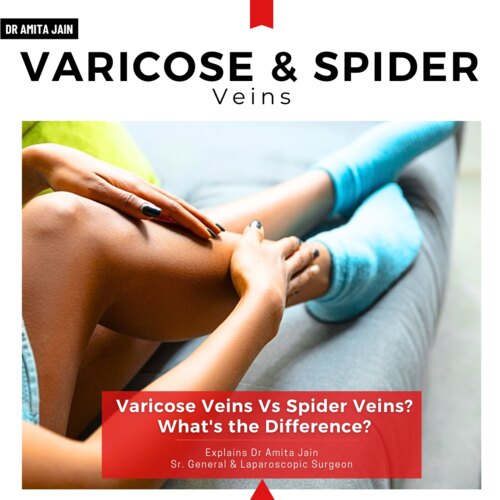
Understanding Varicose Veins
Varicose veins are enlarged, swollen veins that typically appear on the legs and feet. They develop when the valves within the veins become weak or damaged, leading to poor blood circulation. This causes blood to pool, making the veins bulge and twist. They often appear blue or dark purple and may be accompanied by symptoms such as aching, swelling, heaviness, and irritation around the affected veins. In severe cases, skin discolouration or ulcers may occur.
Varicose veins can develop due to several factors, including genetics, prolonged standing, obesity, pregnancy, and ageing. If left untreated, they may lead to complications such as blood clots or venous ulcers.
Understanding Spider Veins
Spider veins, on the other hand, are smaller and more superficial veins that appear as thin red, blue, or purple lines on the skin’s surface. They resemble spider webs or tree branches and are commonly found on the legs, face, and other areas of the body. Unlike varicose veins, spider veins usually do not cause significant pain or discomfort, although some individuals may experience mild itching or burning sensations.
Spider veins develop due to weak or damaged blood vessels and can be influenced by factors such as genetics, sun exposure, hormonal changes, and prolonged periods of sitting or standing.
What are the Key Differences Between Varicose and Spider Veins?
While both conditions are related to poor vein health, varicose veins are typically larger, more painful, and found deeper within the skin. They can cause discomfort and lead to more serious health issues if untreated. In contrast, spider veins are smaller, located on the surface of the skin, and are mainly a cosmetic concern rather than a medical one.
Treatment Options
Both varicose and spider veins can be treated through lifestyle changes and medical procedures. Compression stockings can improve circulation and alleviate symptoms. Sclerotherapy and laser therapy are common non-invasive treatments that help collapse affected veins. In severe cases of varicose veins, surgical procedures may be required to remove or close off the affected veins.
Understanding the differences between varicose and spider veins allows individuals to seek appropriate treatment and maintain healthier veins. If you experience discomfort or worsening symptoms, consulting a doctor is the best course of action to prevent complications and improve your vein health.
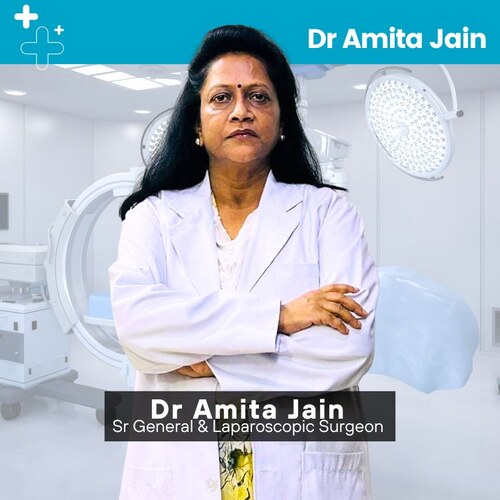
Dr Amita Jain is one of India’s most distinguished and experienced female surgeons and proctologists, known for her unmatched expertise in general, advanced laparoscopic, and laser proctology surgery. With over 30 years of surgical excellence, Dr Amita Jain has built a reputation for precision, compassionate care, and advanced surgical techniques.
Dr Jain has successfully performed a wide range of complex general surgeries, including both open and minimally invasive procedures, with a strong focus on trauma care, onco-surgical techniques, and reconstructive surgeries. Her medical specialisation includes: gallbladder surgeries, appendix removal surgeries, hernia repair surgeries, Pilonidal Sinus treatments, varicose vein and piles surgeries, fistula surgeries and fissure surgeries.
Dr Jain, currently serves as Senior Consultant and Head of Department (General, Laser, Proctology and Laparoscopic Surgeries) across premier medical networks in South Delhi:
Daffodils by Artemis Hospitals: Spring Meadows, East of Kailash, New Delhi. Book Appointment
Fortis C-DOC Hospital: B-16, Chirag Enclave, New Delhi. Book Appointment
Rosewalk Luxury Multi-Specialty & Maternity Hospital: Panchsheel Park, New Delhi. Book Appointment
Rainbow Children’s Hospital: Malviya Nagar, New Delhi. Book Appointment
Learn More about Dr Amita Jain.
Dr Amita Jain has also authored some of the key medical journals and publications, like ResearchGate, IJSR
Note: This article is written and reviewed by Dr Amita Jain, while referring to her medical journals and publications.