Pilonidal cysts are a fairly common yet often neglected condition that can cause persistent pain and discomfort if not treated on time. Many people tend to ignore the early symptoms, which allows the problem to worsen and eventually become chronic. Dr Amita Jain, a renowned senior general and laparoscopic surgeon, and one of India’s most experienced pilonidal sinus surgeons, explains what a pilonidal cyst is, how it develops into a chronic condition, and the best ways to manage it.
What is a Pilonidal Cyst?
A pilonidal cyst is a sac-like pocket that usually forms near the cleft of the buttocks, just above the tailbone. It typically contains hair, skin debris, and other tissue. The cyst develops when hair penetrates the skin and becomes embedded, causing irritation and infection. This condition is most often seen in young adults, especially men, and is linked to factors such as long sitting hours, poor hygiene, excessive body hair, and repeated friction in the affected area. When infected, a pilonidal cyst can lead to pain, swelling, redness, pus drainage, and in some cases fever, making even simple activities like sitting uncomfortable.
What is a Chronic Pilonidal Cyst?
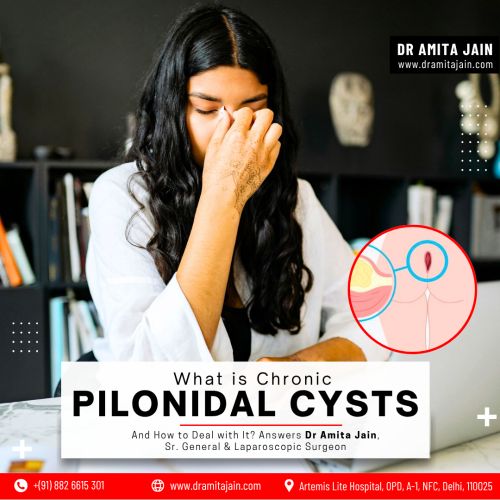
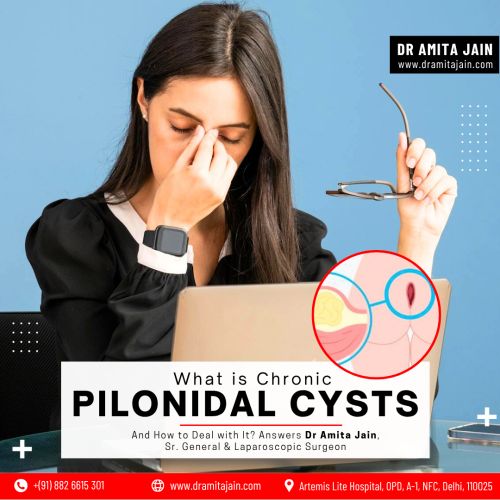
When a pilonidal cyst does not heal properly and continues to reappear with repeated infections, it is referred to as a chronic pilonidal cyst. Unlike an acute cyst that may resolve after initial treatment, a chronic cyst tends to cause recurring abscesses, continuous or intermittent pus or blood discharge, and the formation of multiple sinus openings in the skin. Patients often experience pain during daily activities like walking or sitting, which can severely impact quality of life.
How to Deal with a Chronic Pilonidal Cyst?
Maintain Proper Hygiene
Keeping the affected area clean and dry is the first and most important step in managing a chronic pilonidal cyst. Regular washing with mild soap and water helps prevent bacterial growth and reduces the risk of infections. It is also advisable to avoid tight clothing and prolonged sitting, as friction can aggravate the cyst.
Hair Management
Excess hair around the cyst can worsen irritation and increase the chance of recurrence. Regular hair removal, either through careful shaving or professional laser hair removal, can help minimise this risk. Removing hair prevents new cysts from forming and supports faster healing.
Medical Management
During periods of infection or inflammation, doctors may prescribe antibiotics to control bacterial growth and reduce swelling. Pain-relieving medications can also help manage discomfort. While these measures can ease symptoms, they do not treat the underlying cyst permanently, so regular medical check-ups are necessary to monitor the condition.
Surgical Treatment
For chronic or recurring pilonidal cysts, surgery is often the most effective long-term solution. Minor procedures such as incision and drainage provide quick relief from abscesses but may not prevent recurrence. More definitive options include excision with primary closure, flap surgery, or minimally invasive techniques like pit-picking or laser surgery. These procedures remove the cyst completely and reconstruct the area, significantly lowering the risk of future flare-ups.
Lifestyle Adjustments
Certain lifestyle changes can support recovery and prevent recurrence. Maintaining a healthy weight, avoiding prolonged sitting, practising regular physical activity, and wearing loose, breathable clothing can all reduce friction and pressure around the affected area.
Conclusion
Chronic pilonidal cysts are not just painful but also disruptive to everyday life if left untreated. While good hygiene and lifestyle modifications can help control symptoms, they may not always be enough. Dr Jain stresses that timely medical attention and, in many cases, surgical treatment are the most effective ways to achieve lasting relief and prevent repeated infections.

Dr Amita Jain is one of India’s most distinguished and experienced female surgeons and proctologists, known for her unmatched expertise in general, advanced laparoscopic, and laser proctology surgery. With over 30 years of surgical excellence, Dr Amita Jain has built a reputation for precision, compassionate care, and advanced surgical techniques.
Dr Jain has successfully performed a wide range of complex general surgeries, including both open and minimally invasive procedures, with a strong focus on trauma care, onco-surgical techniques, and reconstructive surgeries. Her medical specialisation includes: gallbladder surgeries, appendix removal surgeries, hernia repair surgeries, Pilonidal Sinus treatments, varicose vein and piles surgeries, fistula surgeries and fissure surgeries.
Dr Jain, currently serves as Senior Consultant and Head of Department (General, Laser, Proctology and Laparoscopic Surgeries) across premier medical networks in South Delhi:
Daffodils by Artemis Hospitals: Spring Meadows, East of Kailash, New Delhi. Book Appointment
Fortis C-DOC Hospital: B-16, Chirag Enclave, New Delhi. Book Appointment
Rosewalk Luxury Multi-Specialty & Maternity Hospital: Panchsheel Park, New Delhi. Book Appointment
Rainbow Children’s Hospital: Malviya Nagar, New Delhi. Book Appointment
Learn More about Dr Amita Jain.
Dr Amita Jain has also authored some of the key medical journals and publications, like ResearchGate, IJSR
Note: This article is written and reviewed by Dr Amita Jain, while referring to her medical journals and publications.