Pilonidal cysts may not be widely discussed, but they’re more common than most people think—especially among young adults. These cysts can cause significant discomfort and can even become infected, leading to painful abscesses that interfere with sitting, walking, or daily activities. The good news is that pilonidal cysts are largely preventable through proper hygiene, lifestyle choices, and a few simple habits.
Let’s first understand what pilonidal cysts are and how you can effectively prevent them as shared by Dr Amita Jain who is a leading general and laparoscopic surgeon and pilonidal cysts and sinus surgeon in Delhi.
What Is a Pilonidal Cyst?
A pilonidal cyst is a small sac or pocket that forms under the skin, usually near the top of the buttocks along the tailbone (the coccyx area). It often contains hair, skin debris, and other tissue. The word “pilonidal” literally means “nest of hair.”
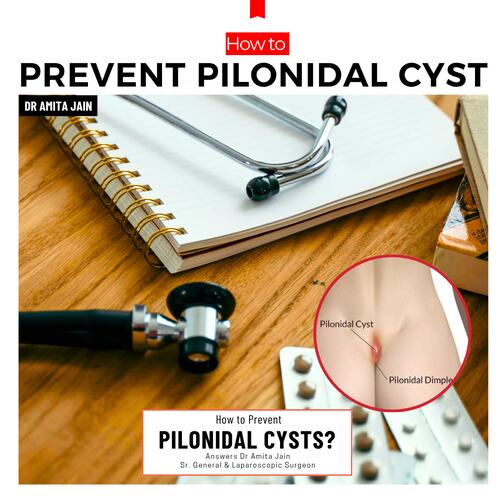
These cysts develop when loose hairs penetrate the skin and become trapped beneath it. The body sees the hair as a foreign object and triggers an inflammatory response. This can lead to the formation of a cyst, which may later become infected, swollen, and filled with pus—resulting in severe pain and sometimes fever.
Pilonidal cysts tend to affect men more than women and are especially common in people who sit for long periods, such as office workers, drivers, or students.
What are the Common Causes and Risk Factors
Several factors can increase your risk of developing pilonidal cysts, including:
Prolonged sitting: Continuous pressure on the tailbone area can cause friction and irritation.
Excess body hair: Particularly coarse or curly hair in the lower back or buttock area can become embedded in the skin.
Poor hygiene: Accumulated sweat, dirt, or dead skin can block pores and promote bacterial growth.
Tight clothing: Restrictive clothes increase friction and pressure on the lower back.
Obesity or being overweight: Extra body weight can deepen the cleft of the buttocks, trapping more moisture and hair.
Family history: Some people are genetically predisposed to develop pilonidal cysts.
How to Prevent Pilonidal Cysts?
Preventing pilonidal cysts is mainly about minimizing friction, maintaining hygiene, and keeping the area clean and dry. Here are key prevention tips:
Maintain Good Hygiene
Cleanliness is the first line of defense. Wash the lower back and buttock area daily using mild soap and warm water, especially after sweating or physical activity. Dry the area thoroughly afterward, as moisture can encourage bacterial growth and hair penetration.
Remove Excess Hair
If you have a lot of body hair in the lower back or buttock region, regular hair removal can help prevent hair from becoming trapped under the skin. You can use a trimmer, depilatory cream, or gentle laser hair removal if recommended by a dermatologist. Avoid aggressive shaving, as it can cause small skin cuts that increase infection risk.
Avoid Prolonged Sitting
Take breaks every 30–60 minutes if your job requires sitting for long periods. Stand up, stretch, or walk for a few minutes to reduce pressure on the tailbone area. Using a cushion or ergonomic seat can also help distribute body weight evenly and reduce friction.
Wear Loose, Breathable Clothing
Tight clothing, especially jeans or synthetic fabrics, can trap heat and sweat. Choose cotton or moisture-wicking underwear and loose-fitting pants that allow airflow and minimize irritation in the lower back area.
Keep the Area Dry
Sweat and moisture can create the perfect environment for bacterial growth. After bathing or exercising, make sure to pat the area dry. You can also use a gentle body powder to absorb excess moisture, especially in hot weather.
Maintain a Healthy Weight
Being overweight can increase friction and make it harder to keep the cleft area dry and clean. Maintaining a balanced diet and regular exercise routine helps reduce the risk while improving overall health.
Pay Attention to Early Symptoms
If you notice redness, tenderness, or a small lump near the tailbone, don’t ignore it. Early intervention can prevent the cyst from becoming infected or turning into a painful abscess. Consult a doctor for evaluation and simple treatment options before it worsens.
When to See a Doctor?
Despite your best efforts, pilonidal cysts can sometimes develop due to genetic or structural factors. If you experience persistent pain, swelling, or pus drainage from the area, it’s important to seek medical help. In some cases, drainage or surgical removal may be required to fully eliminate the cyst and prevent recurrence.
Pilonidal cysts can be uncomfortable, but they’re often preventable with the right hygiene and lifestyle habits. Keeping the tailbone area clean, dry, and free of trapped hair significantly reduces your risk. Small changes—like taking breaks from sitting, maintaining a healthy weight, and wearing breathable clothing—can go a long way in preventing this painful condition.
By being proactive and aware of early signs, you can stay ahead of pilonidal cysts and maintain better overall skin and personal health.

Dr Amita Jain is one of India’s most distinguished and experienced female surgeons and proctologists, known for her unmatched expertise in general, advanced laparoscopic, and laser proctology surgery. With over 30 years of surgical excellence, Dr Amita Jain has built a reputation for precision, compassionate care, and advanced surgical techniques.
Dr Jain has successfully performed a wide range of complex general surgeries, including both open and minimally invasive procedures, with a strong focus on trauma care, onco-surgical techniques, and reconstructive surgeries. Her medical specialisation includes: gallbladder surgeries, appendix removal surgeries, hernia repair surgeries, Pilonidal Sinus treatments, varicose vein and piles surgeries, fistula surgeries and fissure surgeries.
Dr Jain, currently serves as Senior Consultant and Head of Department (General, Laser, Proctology and Laparoscopic Surgeries) across premier medical networks in South Delhi:
Daffodils by Artemis Hospitals: Spring Meadows, East of Kailash, New Delhi. Book Appointment
Fortis C-DOC Hospital: B-16, Chirag Enclave, New Delhi. Book Appointment
Rosewalk Luxury Multi-Specialty & Maternity Hospital: Panchsheel Park, New Delhi. Book Appointment
Rainbow Children’s Hospital: Malviya Nagar, New Delhi. Book Appointment
Learn More about Dr Amita Jain.
Dr Amita Jain has also authored some of the key medical journals and publications, like ResearchGate, IJSR
Note: This article is written and reviewed by Dr Amita Jain, while referring to her medical journals and publications.