Key Takeaway
· Focus on Soft, Fibre-Rich Foods
· Include Protein and Hydrating Foods for Healing
· Avoid Spicy, Fried, and Processed Foods
Recovery from fistula surgery goes beyond the operating room; it starts in your kitchen. Choosing the right Indian diet is crucial for preventing constipation, reducing strain, and speeding up tissue repair. From fiber-dense dals to soothing probiotics, explore a comprehensive nutrition guide designed to ensure a smooth, complication-free healing journey.

Recovering from fistula surgery requires more than just rest and medication. One of the most important yet often overlooked aspects of healing is diet. After surgery, the body needs proper nutrition to repair tissues, prevent infection, and support smooth bowel movements. Since the surgical area is sensitive, patients must follow a diet that is gentle on the digestive system while still providing adequate nutrients, shares Dr Amita Jain, a senior general and laparoscopic surgeon and specialist in treating fistula conditions in Delhi and the NCR region.
A well-planned Indian diet can play a crucial role in recovery. Traditional Indian foods include many natural sources of fibre, vitamins, and hydration that help maintain soft stools and reduce strain during bowel movements. This is particularly important because excessive straining can slow down healing and cause discomfort. By choosing the right foods and avoiding those that irritate the digestive system, patients can significantly improve their recovery experience.
Dr Amita Jain says, “After fistula surgery, the goal of diet is simple: keep digestion gentle, stools soft, and the body well-nourished. The right foods can make recovery smoother and significantly reduce discomfort during healing.”
What Should You Eat After Fistula Surgery to Promote Faster Healing?
After fistula surgery, the primary goal of the diet is to keep digestion smooth and stools soft. Foods rich in fibre, hydration, and essential nutrients should form the foundation of daily meals.
One of the best ways to start the day is with warm liquids. A glass of lukewarm water, lemon water, or jeera water can help stimulate digestion gently. Breakfast can include light options such as vegetable poha, dalia, oats porridge, or soft idlis with sambar. These foods are easy to digest and provide sufficient energy without putting pressure on the digestive system.
Fiber plays a crucial role during recovery because it helps prevent constipation. Whole grains such as brown rice, whole wheat roti, and oats are excellent choices. These foods help maintain bowel regularity and reduce the risk of painful bowel movements after surgery.
Vegetables should also be a major part of the diet. Soft-cooked vegetables such as bottle gourd (lauki), ridge gourd (tori), pumpkin, carrots, and spinach are gentle on the stomach and provide essential vitamins and minerals needed for healing. Including these vegetables in soups, sabzis, or khichdi makes them easier to digest.
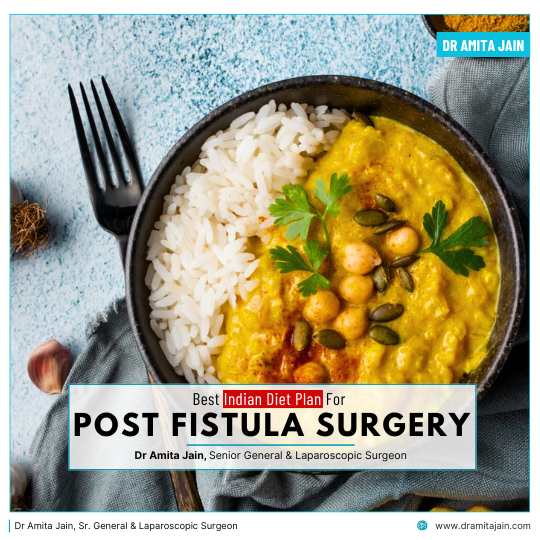
Protein is equally important because the body requires it to repair tissues after surgery. Light protein sources such as moong dal, masoor dal, paneer, curd, and well-cooked legumes are beneficial. For those who eat non-vegetarian food, soft options like boiled eggs, grilled fish, or light chicken soup can provide the necessary protein without causing digestive stress.
Fruits are another important component of the recovery diet. Papaya, bananas, apples, and pears are particularly helpful because they aid digestion and support bowel regularity. These fruits also provide natural vitamins that strengthen the immune system and support healing.
Hydration should not be ignored. Drinking enough fluids throughout the day helps soften stools and reduce discomfort during bowel movements. Water, coconut water, buttermilk, and light soups are excellent choices. These fluids also help maintain electrolyte balance and support overall recovery.
While certain foods support healing, others should be avoided during the initial recovery period. Spicy, oily, and heavily fried foods can irritate the digestive system and increase discomfort. Processed foods, excessive caffeine, and carbonated drinks should also be limited because they may lead to bloating or digestive irregularities.
Patients should also try to eat smaller meals throughout the day instead of consuming large portions at once. This approach helps the digestive system function smoothly and prevents unnecessary strain.
In addition to following the right diet, maintaining regular meal timings and chewing food properly can further improve digestion. Light physical activity, such as short walks, as recommended by a doctor, may also support bowel movement and overall recovery.
Sample Indian Diet Plan After Fistula Surgery
| Time of Day | Recommended Foods | Benefits |
|---|---|---|
| Early Morning | Lukewarm water, lemon water, or jeera water | Stimulates digestion and hydrates the body |
| Breakfast | Vegetable poha, dalia, oats porridge, or idli with sambar | Light, easy to digest, and provides energy |
| Mid-Morning | Papaya, banana, or apple | Improves digestion and provides vitamins |
| Lunch | Brown rice or whole wheat roti, moong dal, soft vegetable sabzi (lauki, pumpkin), curd | Balanced meal with fiber and protein |
| Evening Snack | Coconut water, buttermilk, or light vegetable soup | Maintains hydration and prevents fatigue |
| Dinner | Khichdi with vegetables or light dal with roti | Gentle on the digestive system |
| Before Bed | Warm water or a small bowl of curd | Supports digestion and gut health |
Ultimately, the right Indian diet after fistula surgery focuses on balance, hydration, and gentle digestion. By incorporating fibre-rich foods, soft vegetables, light proteins, and adequate fluids, patients can support faster healing while minimising discomfort. A mindful approach to diet not only helps protect the surgical site but also contributes to long-term digestive health and overall well-being.

Dr Amita Jain, one of the most experienced General and Laparoscopic Surgeons in Delhi, is widely recognised for her expertise in hernia, piles, gallbladder, fissure, and fistula surgeries. With an outstanding career spanning over 29 years, Dr Amita Jain has earned her place among the top General and Laparoscopic surgeons in Delhi and India, known for her precision, compassion, and consistent surgical excellence. She was the Professor of Surgery at the Army College of Medical Sciences and Base Hospital, Delhi Cantt. In 1994, she was commissioned as a surgeon under the United Nations Mission in Congo.
Dr Amita Jain currently serves as the Head of Department, Laparoscopic and Trauma Surgery at Artemis Lite Hospital (Delhi), Senior General and Laparoscopic Surgeon at Rosewalk – Luxury Maternity Hospital in Delhi and Rainbow Children Hospitals (at Malviya Nagar and Panchsheel Park, New Delhi)
Dr Amita Jain has successfully performed a wide range of complex general surgeries, including both open and minimally invasive procedures, with a strong focus on trauma care, onco-surgical techniques, and reconstructive surgeries. Her medical specialisation includes – Gallbladder surgeries, appendix removal surgeries, hernia repair surgeries, Pilonidal Sinus treatments, varicose vein and piles surgeries, fistula surgeries and fissure surgeries.
Dr Amita Jain has also authored some of the key medical journals and publications, like ResearchGate, IJSR
Note: the articles are written with Dr Amita Jain’s professional insights and referring to her medical publications.