In the hustle and bustle of modern life, maintaining our health often takes center stage. We diligently hit the gym, opt for healthier food choices, and strive for a balanced lifestyle. Despite our best efforts, certain health issues can still rear their heads, and one such concern is varicose veins—especially among those with sedentary habits or a family history of vein disorders.
Varicose veins are enlarged, swollen, twisted veins found just under the surface of the skin. These red or bluish-purple veins usually develop on the legs, either on the inside of the leg or behind the knee. While they are not usually serious, they can cause pain and discomfort, along with complications such as skin ulcers, sores, and even blood clots—besides being visually unappealing.
So, let us explore, with guidance from Dr Amita Jain, who is a senior general and laparoscopic surgeon and one of the leading surgeons for varicose veins treatment and surgery in Delhi and India, through lifestyle changes and self-care.
What are Varicose Veins?
Varicose veins are enlarged, swollen, and twisted veins that appear blue, red, or skin-colored, often looking ropelike and bulging under the skin.
They develop when the one-way valves inside the veins—responsible for preventing backward blood flow—become weak or damaged. Normally, veins return blood from the body to the heart, working against gravity, especially in the legs. Muscles in the lower legs act as pumps, and healthy vein walls and valves help direct blood upward. When valves fail, blood can pool in the veins, causing them to enlarge, stretch, and twist. Genetics is a major factor, but several other conditions can increase the risk.
Some of the ways to prevent varicose veins, as discussed by Delhi’s top varicose veins specialist Dr Amita Jain, are:
Physical Activity
Maintaining an active lifestyle is crucial in preventing the progression of varicose veins. Regular physical activity, such as walking, cycling, or swimming, helps enhance blood circulation, reducing the risk of blood pooling in the veins. Dr Amita Jain emphasises that even simple activities like taking short breaks to stretch during long periods of sitting can make a significant difference. Incorporate regular movement breaks into your routine, especially if you have a desk job.
Activities like leg lifts, ankle circles, and calf stretches can be effective in promoting healthy blood flow and preventing blood pooling, as they make use of your leg muscles, which assist in pushing blood towards the heart, thereby improving the condition of varicose veins.
Shed those extra kilos
Carrying excess weight not only increases strain on your cardiovascular system but also raises blood pressure, which can further deteriorate veins. Investing in a weight loss program if you’re overweight can help prevent worsening varicose veins. Maintaining a healthy weight through a balanced diet and regular exercise is key. Shedding those extra pounds not only benefits your veins but also promotes overall well-being.
Lift Your Legs
Elevating your legs is crucial for managing varicose veins and promoting proper blood circulation. By keeping your feet raised above your heart, you encourage blood flow in the right direction, towards the heart.
Whether you’re sitting or standing for extended periods, it’s essential to elevate your legs to alleviate pressure on the veins. Try raising your feet on a chair or stool for 15-20 minutes multiple times a day. This simple practice reduces swelling, relieves pressure, and enhances circulation, offering much-needed relief after a long day.
Compression stocking and Support Hose
Compression stockings are recommended for managing and preventing the worsening of varicose veins. Specifically designed to exert gentle pressure on the legs, these stockings aid in enhancing circulation and reducing swelling. If you have a family history of varicose veins or spend extended periods on your feet, your doctor may advise daily use of compression stockings. This method is often the initial approach to address the issue.
The stockings function by applying consistent pressure to the legs, promoting more efficient blood circulation facilitated by the veins and leg muscles. Both compression socks and support hose are effective in applying pressure to the lower legs and ankles, directing blood flow back towards the heart and preventing pooling in the veins. Support hose, in particular, offer a viable option as they achieve the desired results without imposing excessive pressure on the legs, unlike compression socks.
Avoid Prolonged Sitting or Standing
Take regular breaks, whether you have a desk job or spend long hours on your feet. These breaks are crucial for alleviating pressure on your legs and enhancing circulation throughout your body. By alternating between sitting and standing or incorporating movement, you can ensure proper blood flow and reduce strain on your body.
Do Not Cross Your Legs
Avoid crossing your legs while sitting down, as it can inevitably inhibit blood flow through your legs. If you find crossing your legs comfortable, ensure you keep them moving and switch positions frequently to prevent any adverse effects.
Diet Matters
Did you know how important your diet is for maintaining healthy veins? A balanced, nutrient-rich eating pattern can strengthen blood vessel walls, improve circulation, reduce inflammation, and help prevent varicose veins by managing weight and lowering pressure on leg veins.
Focus on high-fiber foods (whole grains, fruits, vegetables, lentils, beans) to prevent constipation and reduce vein strain; antioxidant-rich foods like berries, citrus fruits, garlic, spinach, kale, and broccoli to support blood flow and vein strength; Vitamin C and E sources (citrus fruits, bell peppers, nuts, seeds, leafy greens) to promote collagen production and protect blood vessels; and potassium-rich foods (avocados, bananas, potatoes, spinach) to reduce fluid retention.
Staying well-hydrated supports healthy circulation, while limiting excess salt, processed foods, and refined sugar can help reduce swelling, inflammation, and unnecessary strain on veins.
Hormonal Fluctuations
Hormonal shifts across different life stages can significantly affect vein health and increase the risk of varicose and spider veins. Estrogen and progesterone play a key role in vein structure and function—estrogen supports flexibility and healthy blood flow, while progesterone relaxes vein walls, making them more likely to stretch and weaken. This combination can reduce valve strength and impair circulation, especially during major hormonal transitions.
- Pregnancy: Increased progesterone, higher blood volume, and pressure from the growing uterus strain pelvic and leg veins, making it harder for blood to return to the heart. Veins may improve after delivery, but each pregnancy can increase long-term risk.
- Puberty: Rising hormone levels can weaken vein walls, making veins more likely to dilate and form spider or varicose veins.
- Menopause: Lower estrogen levels reduce vein elasticity, and when combined with age-related valve weakening, can lead to swelling, discomfort, and visible veins.
Even after hormonal levels stabilise, the long-term effects of reduced estrogen and ageing continue to impact circulation, making venous issues a persistent concern for many women.
Hydration is Crucial
Proper hydration is vital for preventing varicose veins because it maintains optimal blood volume and viscosity, ensuring smooth circulation, reducing blood pooling in the legs, and keeping vein walls elastic. Adequate water intake prevents blood from thickening, which reduces the strain on vein valves and minimises the risk of clotting.
So, if you were wondering how to keep varicose veins at bay, the answer lies in thoughtful, everyday choices—regular movement, healthy weight management, nourishing food, adequate hydration, leg elevation, mindful posture, and supportive care. You need to be cautious about hormonal changes. Simply listen to your doctor, and you can preserve vein health, reduce discomfort, and stride through life with greater ease.
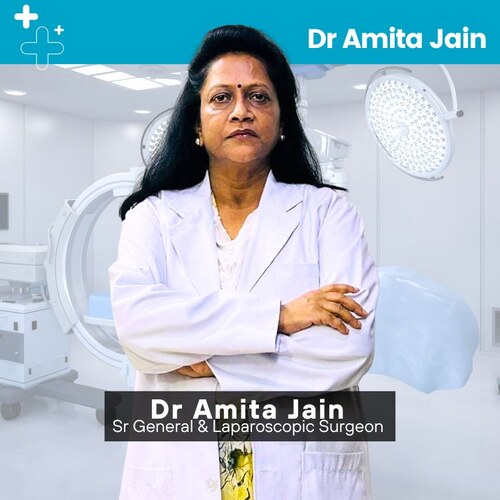
Dr Amita Jain is one of India’s most distinguished and experienced female surgeons and proctologists, known for her unmatched expertise in general, advanced laparoscopic, and laser proctology surgery. With over 30 years of surgical excellence, Dr Amita Jain has built a reputation for precision, compassionate care, and advanced surgical techniques.
Dr Jain has successfully performed a wide range of complex general surgeries, including both open and minimally invasive procedures, with a strong focus on trauma care, onco-surgical techniques, and reconstructive surgeries. Her medical specialisation includes: gallbladder surgeries, appendix removal surgeries, hernia repair surgeries, Pilonidal Sinus treatments, varicose vein and piles surgeries, fistula surgeries and fissure surgeries.
Dr Jain, currently serves as Senior Consultant and Head of Department (General, Laser, Proctology and Laparoscopic Surgeries) across premier medical networks in South Delhi:
Daffodils by Artemis Hospitals: Spring Meadows, East of Kailash, New Delhi. Book Appointment
Fortis C-DOC Hospital: B-16, Chirag Enclave, New Delhi. Book Appointment
Rosewalk Luxury Multi-Specialty & Maternity Hospital: Panchsheel Park, New Delhi. Book Appointment
Rainbow Children’s Hospital: Malviya Nagar, New Delhi. Book Appointment
Learn More about Dr Amita Jain.
Dr Amita Jain has also authored some of the key medical journals and publications, like ResearchGate, IJSR
Note: This article is written and reviewed by Dr Amita Jain, while referring to her medical journals and publications.