Stomach bloating is a common digestive issue that can affect anyone, regardless of age or lifestyle. It often causes discomfort, heaviness, and a feeling of tightness in the abdomen. Many people experience bloating occasionally after heavy meals, while others may deal with it more frequently due to dietary habits, digestive sensitivity, or lifestyle factors.
The good news is that most cases of bloating are temporary and can be managed with simple home remedies and daily habit changes. Understanding what bloating is and how to control it can help improve digestive comfort and overall well-being shares Dr Amita Jain who is India’s leading and experienced senior general and laparoscopic abdominal surgeon.

What is Stomach Bloating?
Stomach bloating is the sensation of fullness, swelling, or tightness in the abdominal area. It usually happens when excess gas accumulates in the digestive system or when food moves slowly through the stomach and intestines. Some people may notice visible swelling, while others may only feel pressure or discomfort inside the abdomen.
Bloating can occur for several reasons. Eating too quickly can cause swallowing of air, leading to gas buildup. Overeating can stretch the stomach and slow digestion. Certain foods naturally produce more gas during digestion. Constipation can also cause bloating because waste stays longer in the intestines. In some cases, food intolerances, hormonal changes, or stress can contribute to bloating.
Most bloating episodes are not serious and resolve on their own, but frequent bloating may indicate digestive imbalance that needs attention.

Quick Remedies for Stomach Bloating
One of the simplest remedies is drinking warm water. Warm fluids help stimulate digestion and support smoother movement of food through the digestive tract. Having warm water after meals can help reduce gas formation and improve digestion naturally.
Herbal drinks can also help relieve bloating. Ginger is especially useful because it supports digestion and reduces inflammation in the stomach. Peppermint and chamomile can relax digestive muscles and help trapped gas move out more easily.
Light movement after eating is another effective remedy. Sitting or lying down immediately after meals slows digestion. A short walk helps activate intestinal movement and reduces the chance of gas buildup.

Eating slowly plays an important role in preventing bloating. Proper chewing breaks food into smaller particles, making digestion easier. It also reduces the amount of air swallowed while eating.
Food choices matter when managing bloating. Oily and fried foods are harder to digest and can slow stomach emptying. Carbonated drinks introduce extra gas into the digestive system. Some vegetables and legumes can cause gas in certain individuals, especially if eaten in large quantities.
Traditional home remedies can also be helpful. Ajwain is widely used for digestive relief. Consuming a small amount with warm water may help reduce gas and improve digestion. Jeera water is another commonly used digestive drink that supports gut health.

Hydration is essential for preventing bloating, especially when constipation is a cause. Drinking enough water helps maintain smooth digestion and supports regular bowel movements.
Stress management is often overlooked but important. The digestive system is closely connected to the brain. High stress levels can slow digestion and increase bloating. Relaxation techniques such as deep breathing or yoga can support gut health.
When to Seek Medical Advice?
Occasional bloating is normal, but persistent symptoms should not be ignored. Medical consultation is important if bloating is severe, frequent, or associated with symptoms like unexplained weight loss, severe pain, vomiting, or blood in stool.
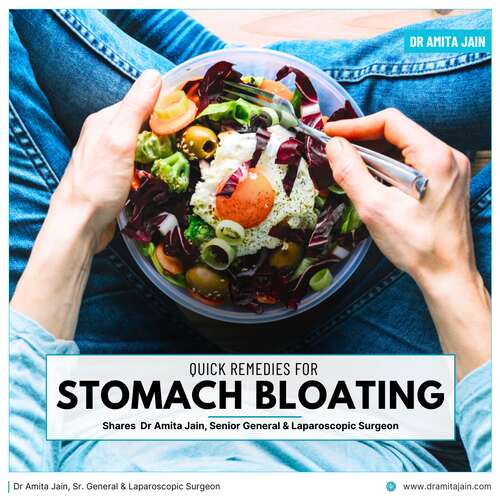
Stomach bloating is usually manageable with simple lifestyle changes and natural remedies. Maintaining a balanced diet, staying active, managing stress, and paying attention to eating habits can significantly reduce bloating. Understanding your body’s response to different foods and routines is the key to maintaining long-term digestive comfort.

Dr Amita Jain is one of India’s most distinguished and experienced female surgeons and proctologists, known for her unmatched expertise in general, advanced laparoscopic, and laser proctology surgery. With over 30 years of surgical excellence, Dr Amita Jain has built a reputation for precision, compassionate care, and advanced surgical techniques.
Dr Jain has successfully performed a wide range of complex general surgeries, including both open and minimally invasive procedures, with a strong focus on trauma care, onco-surgical techniques, and reconstructive surgeries. Her medical specialisation includes: gallbladder surgeries, appendix removal surgeries, hernia repair surgeries, Pilonidal Sinus treatments, varicose vein and piles surgeries, fistula surgeries and fissure surgeries.
Dr Jain, currently serves as Senior Consultant and Head of Department (General, Laser, Proctology and Laparoscopic Surgeries) across premier medical networks in South Delhi:
Daffodils by Artemis Hospitals: Spring Meadows, East of Kailash, New Delhi. Book Appointment
Fortis C-DOC Hospital: B-16, Chirag Enclave, New Delhi. Book Appointment
Rosewalk Luxury Multi-Specialty & Maternity Hospital: Panchsheel Park, New Delhi. Book Appointment
Rainbow Children’s Hospital: Malviya Nagar, New Delhi. Book Appointment
Learn More about Dr Amita Jain.
Dr Amita Jain has also authored some of the key medical journals and publications, like ResearchGate, IJSR
Note: This article is written and reviewed by Dr Amita Jain, while referring to her medical journals and publications.