The initial stage of piles is curable. Piles cause extreme discomfort and reduce the quality of life among several people suffering from piles, says Dr. Jain.
Piles may relapse and go into remission depending on multiple factors, such as nutrition and lifestyle. There are several remedial measures available to treat piles first stage. Read this blog from Dr Amita Jain, one of the best piles surgeons in Delhi in the field of Laparoscopic Surgery shares key information on the treatment of first-stage piles.

During the primary stage of piles, you may try the following measures to alleviate symptoms and promote healing:
Fiber-rich diet:
Boost your consumption of fiber by including more fruits, vegetables, whole grains, and legumes in your daily meals. A high-fiber diet could help soften stools, ease bowel movements, and decrease strain on the rectal area.
Hydration:
Proper hydration is crucial for maintaining soft stools and preventing constipation. Drink a lot of water throughout the day to stay hydrated.
Good bowel habits:
Avoid straining during bowel movements, as it could worsen the condition. Do not force yourself to have a bowel movement if you do not feel the urge. Also, avoid spending excessive time on the toilet.
Sitz baths:
Taking warm sitz baths for 10-15 minutes several times a day could provide relief from pain, itching, and inflammation. The warm water promotes relaxation and assists reduce discomfort.
Topical treatments:
Over-the-counter creams, ointments, or suppositories having ingredients such as hydrocortisone or witch hazel could provide temporary relief from itching and discomfort. Follow the instructions on the packaging and consult your doctor if needed.
Pain relief:
Non-prescription pain relievers can help alleviate pain and reduce inflammation linked with piles. However, it is important to use them according to the recommended dosage and consult your doctor if you have any underlying medical conditions or are taking other medications.
Lifestyle modifications:
Engage in daily physical activity to enhance blood circulation and prevent constipation. Avoid prolonged periods of sitting or standing, as they may contribute to the development or worsening of piles.
Please bear in mind that these recommendations are general in nature and might not be suitable for everyone. It is essential to seek medical advice from your doctor who can provide an accurate diagnosis and advice on personalized treatment options based on your specific condition and medical history.
If you are suffering from piles or suspect you may have piles, book your consultation with Delhi’s leading laparoscopy surgeon for piles Dr. Amita Jain today.
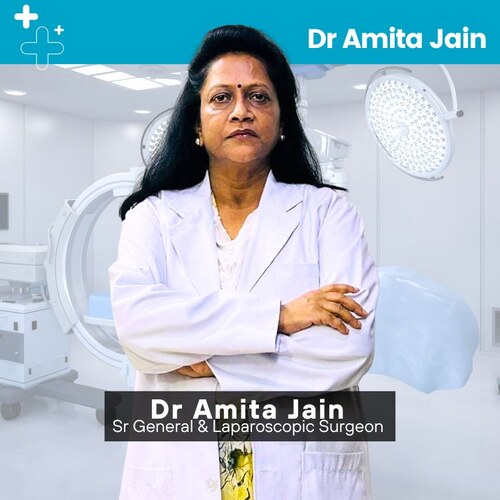
Dr Amita Jain, one of the most experienced General and Laparoscopic Surgeons in Delhi, is widely recognised for her expertise in hernia, piles, gallbladder, fissure, and fistula surgeries. With an outstanding career spanning over 29 years, Dr Amita Jain has earned her place among the top General and Laparoscopic surgeons in Delhi and India, known for her precision, compassion, and consistent surgical excellence. She was the Professor of Surgery at the Army College of Medical Sciences and Base Hospital, Delhi Cantt. In 1994, she was commissioned as a surgeon under the United Nations Mission in Congo.
Dr Amita Jain currently serves as the Head of Department, Laparoscopic and Trauma Surgery at Artemis Lite Hospital (Delhi), Senior General and Laparoscopic Surgeon at Rosewalk – Luxury Maternity Hospital in Delhi and Rainbow Children Hospitals (at Malviya Nagar and Panchsheel Park, New Delhi)
Dr Amita Jain has successfully performed a wide range of complex general surgeries, including both open and minimally invasive procedures, with a strong focus on trauma care, onco-surgical techniques, and reconstructive surgeries. Her medical specialisation includes – Gallbladder surgeries, appendix removal surgeries, hernia repair surgeries, Pilonidal Sinus treatments, varicose vein and piles surgeries, fistula surgeries and fissure surgeries.
Dr Amita Jain has also authored some of the key medical journals and publications, like ResearchGate, IJSR
Note: the articles are written with Dr Amita Jain’s professional insights and referring to her medical publications.