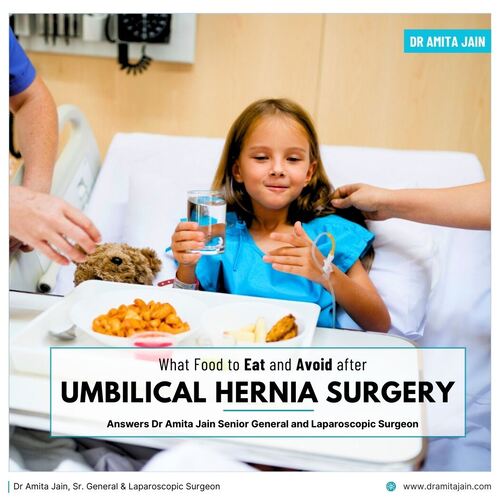
Recovering from umbilical hernia surgery is not just about rest and medication; diet plays a crucial role in how smoothly and quickly the body heals. The right foods can reduce pain, prevent complications, and support tissue repair, while the wrong choices may lead to constipation, bloating, or strain on the surgical site. Understanding what to eat and what to avoid after surgery can significantly improve recovery outcomes and overall comfort explains Dr Amita Jain, a senior general and laparoscopic surgeon and one of the best umbilical hernia specialist surgeons in Delhi and India.
What Is an Umbilical Hernia?
An umbilical hernia occurs when a part of the intestine or abdominal tissue pushes through a weak spot in the abdominal wall near the navel. It appears as a soft bulge around the belly button and may become more noticeable when coughing, lifting, or straining. While umbilical hernias are common in infants and often resolve on their own, adults usually require surgical intervention to prevent complications.
Surgery involves pushing the protruding tissue back into place and strengthening the weakened muscle area, often using sutures or a surgical mesh. After the procedure, the abdominal muscles need time to heal, making post-operative care—including diet—especially important.
Why Diet Matters After Umbilical Hernia Surgery?
After surgery, the digestive system can slow down due to anesthesia, pain medications, and reduced physical activity. This often leads to constipation and bloating, which can cause discomfort and increase pressure on the surgical site. A carefully planned diet helps maintain smooth digestion, reduces strain during bowel movements, and supports faster healing of tissues.
Foods to Eat After Umbilical Hernia Surgery
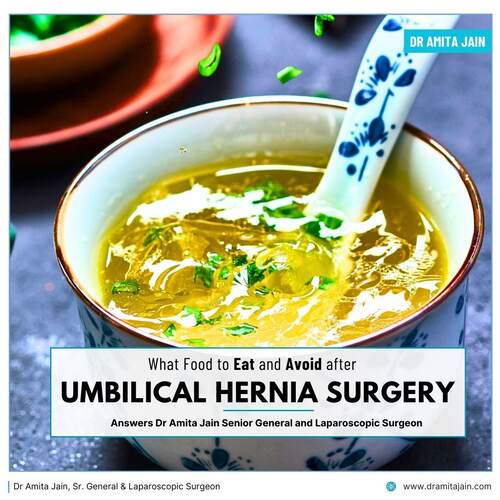
In the initial days following surgery, light and easily digestible foods are ideal. Liquids such as clear soups, vegetable broths, coconut water, and diluted fruit juices help keep the body hydrated without stressing the digestive system. As appetite improves, soft foods like curd, porridge, khichdi, steamed vegetables, and mashed fruits can be gradually introduced.
High-fiber foods are essential once digestion stabilizes, as they prevent constipation and promote regular bowel movements. Whole grains, oats, fruits like papaya and pears, vegetables such as spinach and carrots, and legumes provide gentle fiber that supports gut health. It is important to increase fiber intake gradually and pair it with adequate water to avoid gas or discomfort.
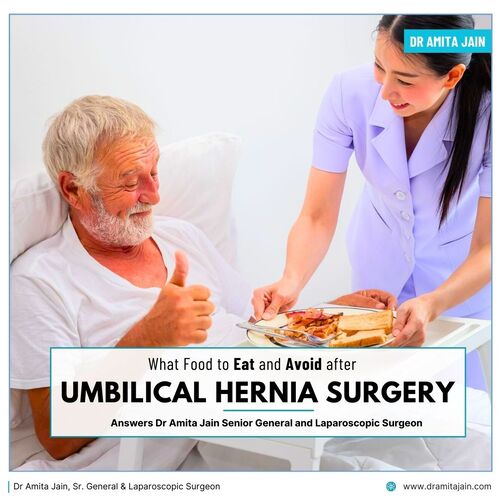
Protein-rich foods play a key role in tissue repair and muscle healing. Lean protein sources such as eggs, dal, paneer, tofu, fish, and grilled chicken help rebuild damaged tissues and strengthen the abdominal wall. Including protein in every meal can enhance recovery and improve energy levels.
Healthy fats also support healing and reduce inflammation when consumed in moderation. Nuts, seeds, olive oil, and ghee provide essential fatty acids that aid nutrient absorption and tissue regeneration. Additionally, foods rich in vitamins and minerals, especially vitamin C and zinc, help boost immunity and speed wound healing. Citrus fruits, berries, tomatoes, and pumpkin seeds are good additions to the recovery diet.
Foods to Avoid After Umbilical Hernia Surgery
Dr Amita Jain, one of the most experienced hernia surgeons, says that certain foods can interfere with healing and should be avoided during recovery. Fried and oily foods are difficult to digest and may cause bloating, acidity, or nausea. Spicy foods can irritate the stomach lining and worsen discomfort, especially in the early recovery phase.
Processed foods, including packaged snacks, fast food, and refined flour products, often lack fiber and can contribute to constipation. Sugary foods and desserts should also be limited, as they offer little nutritional value and may slow down the healing process.
Gas-producing foods such as cabbage, cauliflower, beans, carbonated drinks, and onions may increase abdominal pressure and cause discomfort around the surgical site. While these foods are generally healthy, they are best avoided in the first few weeks after surgery.
Alcohol and caffeine should be avoided until the surgeon allows them. Alcohol can interfere with medications and delay wound healing, while excessive caffeine may cause dehydration and digestive irritation.
Long-Term Dietary Tips for Smooth Recovery
Eating smaller, frequent meals instead of large portions can ease digestion and reduce abdominal strain. Staying well-hydrated throughout the day helps soften stools and prevents constipation. Chewing food thoroughly and eating slowly also support better digestion and comfort.
As recovery progresses, a balanced diet combined with light physical activity, as advised by the doctor, helps restore strength and prevent recurrence of the hernia. Always follow your surgeon’s dietary guidelines, as individual needs may vary based on the type of surgery and overall health.
A well-planned diet after umbilical hernia surgery can make a significant difference in recovery speed and comfort. Choosing nourishing, easy-to-digest foods while avoiding those that cause strain or irritation helps protect the surgical site and supports healing from within. With mindful eating and proper medical guidance, most patients can return to their normal routine smoothly and safely.

Dr Amita Jain is one of India’s most distinguished and experienced female surgeons and proctologists, known for her unmatched expertise in general, advanced laparoscopic, and laser proctology surgery. With over 30 years of surgical excellence, Dr Amita Jain has built a reputation for precision, compassionate care, and advanced surgical techniques.
Dr Jain has successfully performed a wide range of complex general surgeries, including both open and minimally invasive procedures, with a strong focus on trauma care, onco-surgical techniques, and reconstructive surgeries. Her medical specialisation includes: gallbladder surgeries, appendix removal surgeries, hernia repair surgeries, Pilonidal Sinus treatments, varicose vein and piles surgeries, fistula surgeries and fissure surgeries.
Dr Jain, currently serves as Senior Consultant and Head of Department (General, Laser, Proctology and Laparoscopic Surgeries) across premier medical networks in South Delhi:
Daffodils by Artemis Hospitals: Spring Meadows, East of Kailash, New Delhi. Book Appointment
Fortis C-DOC Hospital: B-16, Chirag Enclave, New Delhi. Book Appointment
Rosewalk Luxury Multi-Specialty & Maternity Hospital: Panchsheel Park, New Delhi. Book Appointment
Rainbow Children’s Hospital: Malviya Nagar, New Delhi. Book Appointment
Learn More about Dr Amita Jain.
Dr Amita Jain has also authored some of the key medical journals and publications, like ResearchGate, IJSR
Note: This article is written and reviewed by Dr Amita Jain, while referring to her medical journals and publications.