Summary
- Regular movement and healthy circulation habits can help lower the risk of varicose and spider veins.
- Maintaining a healthy weight and avoiding prolonged sitting or standing supports better vein function.
- Early attention to vein symptoms can prevent discomfort, swelling, and long-term circulation issues.
Article Medically Reviewed by Dr Amita Jain, MBBS, MS (Gen Surgery), Fellowship (AIIMS), Military-Precision Varicose Veins Surgeon: 29 Years of Surgical Excellence by Ex-Indian Army Surgeon
Vein health is often overlooked until visible veins, swelling, heaviness, or leg discomfort begin to interfere with daily life. Varicose and spider veins are common vascular concerns that can affect both appearance and circulation. While genetics and ageing play a role, lifestyle habits also have a major impact on vein health. Preventive care, movement, and proper circulation support can help reduce the risk of developing painful or visible veins over time, shares Dr Amita Jain, a Senior General and Laparoscopic Surgeon in Delhi, and specialises in treating varicose veins.
What Causes Varicose and Spider Veins to Develop?
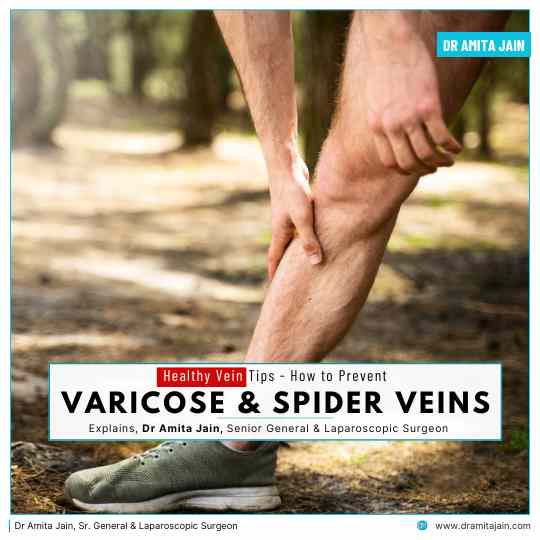
Varicose veins occur when the valves inside the veins weaken or stop functioning properly. These valves are responsible for helping blood flow upward toward the heart. When they fail, blood starts pooling inside the veins, causing them to enlarge, twist, and become visible beneath the skin. Spider veins are smaller, thinner blood vessels that appear red, blue, or purple and often spread in web-like patterns.
Several factors increase the risk of developing these vein conditions. Long hours of standing or sitting, obesity, pregnancy, lack of exercise, hormonal changes, and family history are among the most common causes. Poor circulation gradually increases pressure inside the leg veins, making symptoms worse with time.
“Healthy veins are supported by healthy daily habits. Simple lifestyle choices like staying active, improving circulation, maintaining a balanced weight, and caring for your legs can make a significant difference in preventing varicose and spider veins. Prevention is not only about appearance—it is about protecting long-term vascular health, comfort, and mobility.” –
Why Is Regular Movement Important for Vein Health?
Physical activity improves blood circulation and helps the calf muscles push blood back toward the heart. Walking, stretching, cycling, and swimming are particularly beneficial because they activate the leg muscles without putting excessive strain on the veins.
Sitting for prolonged periods can slow blood flow and increase pressure in the lower legs. Individuals with desk jobs or those who travel frequently should take short movement breaks every hour. Simple activities like ankle rotations, standing stretches, or short walks can support healthier circulation and reduce vein stress.
How Does Weight Management Affect Veins?
Excess body weight increases pressure on the veins, especially in the legs. Over time, this added pressure weakens vein walls and damages the valves responsible for healthy blood flow. Maintaining a balanced weight helps reduce strain on the vascular system and lowers the risk of swelling, discomfort, and visible veins.
A diet rich in fibre, fruits, vegetables, and hydration can also support circulation and reduce bloating or water retention that may worsen vein-related symptoms.
Can Compression Stockings Help Prevent Vein Problems?
Compression stockings are commonly recommended for people at higher risk of varicose veins or those who spend long hours standing. These specially designed stockings apply gentle pressure to the legs, helping veins move blood more efficiently.
Regular use of compression stockings may help reduce leg fatigue, swelling, and discomfort while slowing the progression of vein issues. They are especially helpful during pregnancy, long flights, or occupations that require extended standing.
Why Should You Avoid Prolonged Standing or Sitting?
Remaining in one position for too long reduces healthy blood circulation. Standing for extended periods increases pressure in the leg veins, while prolonged sitting slows down blood flow. Both habits contribute to vein enlargement and discomfort. Changing positions regularly, elevating the legs when resting, and avoiding crossing the legs for long periods can help maintain healthy circulation and reduce pressure inside the veins.
How Does Leg Elevation Improve Circulation?
Elevating the legs above heart level for short periods allows blood to flow more easily back toward the heart. This reduces swelling, heaviness, and pressure in the veins.
People experiencing mild vein discomfort often benefit from elevating their legs for 15–20 minutes after long workdays or physical activity. This simple habit supports circulation and helps reduce fatigue in the lower limbs.
Can Early Vein Symptoms Be Ignored?
Many people ignore early symptoms such as leg heaviness, mild swelling, itching, or visible tiny veins. However, untreated vein problems can gradually worsen and may lead to pain, skin discolouration, ulcers, or circulation complications.
Seeking medical advice at an early stage allows timely management and helps prevent progression. Modern vein treatments are minimally invasive and highly effective when diagnosed early.
Healthy Habits That Support Long-Term Vein Care
Healthy veins depend heavily on daily lifestyle choices. Staying physically active, maintaining a healthy weight, avoiding smoking, wearing comfortable clothing, and supporting circulation through movement all contribute to stronger vascular health. Preventive vein care not only improves leg comfort and appearance but also helps maintain healthy blood circulation for the long term.
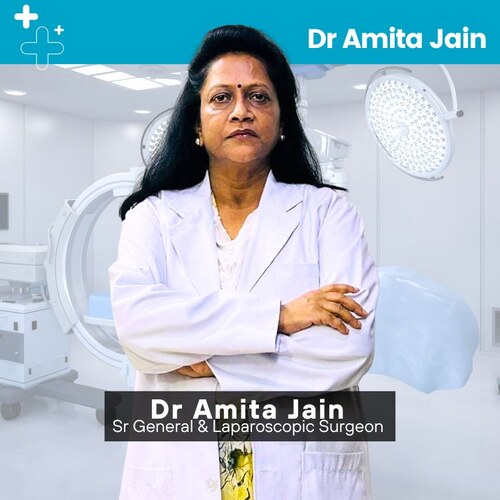
Dr Amita Jain is one of India’s most distinguished and experienced female surgeons and proctologists, known for her unmatched expertise in general, advanced laparoscopic, and laser proctology surgery. With over 30 years of surgical excellence, Dr Amita Jain has built a reputation for precision, compassionate care, and advanced surgical techniques.
Dr Jain has successfully performed a wide range of complex general surgeries, including both open and minimally invasive procedures, with a strong focus on trauma care, onco-surgical techniques, and reconstructive surgeries. Her medical specialisation includes: gallbladder surgeries, appendix removal surgeries, hernia repair surgeries, Pilonidal Sinus treatments, varicose vein and piles surgeries, fistula surgeries and fissure surgeries.
Dr Jain, currently serves as Senior Consultant and Head of Department (General, Laser, Proctology and Laparoscopic Surgeries) across premier medical networks in South Delhi:
Daffodils by Artemis Hospitals: Spring Meadows, East of Kailash, New Delhi. Book Appointment
Fortis C-DOC Hospital: B-16, Chirag Enclave, New Delhi. Book Appointment
Rosewalk Luxury Multi-Specialty & Maternity Hospital: Panchsheel Park, New Delhi. Book Appointment
Rainbow Children’s Hospital: Malviya Nagar, New Delhi. Book Appointment
Learn More about Dr Amita Jain.
Dr Amita Jain has also authored some of the key medical journals and publications, like ResearchGate, IJSR
Note: This article is written and reviewed by Dr Amita Jain, while referring to her medical journals and publications.