Explains India’s Top Laparoscopic Surgeon for Piles, Dr Amita Jain
Piles, also known as hemorrhoids, are a common and uncomfortable condition that affects many individuals. While dietary choices alone cannot cure piles, they can significantly impact the severity of symptoms and the speed of recovery. Certain foods can exacerbate inflammation, constipation, and discomfort associated with piles. In this blog, leading surgeon for piles Dr Amita Jain, discusses foods to avoid if you have piles and offers alternative options for a more comfortable journey to recovery.
Which foods need to be avoided if suffering from Piles?
Dr. Jain talks about the foods that need to be avoided. Some of them are:
Processed Foods and Fast Food:
Highly processed foods and fast-food items often contain excess salt, unhealthy fats, and refined carbohydrates. These components can contribute to constipation and worsen haemorrhoids. Processed foods lack the fibre necessary for promoting regular bowel movements. Opt for whole, unprocessed foods like fruits, vegetables, and whole grains to ensure an adequate intake of dietary fiber.
Spicy Foods:
Spicy foods can irritate the digestive tract and exacerbate inflammation in the last part of the digestive tract area. While it’s not necessary to completely eliminate all spicy foods, it’s a good idea to moderate your intake and pay attention to how your body responds. If you notice increased discomfort after consuming spicy foods, consider opting for milder alternatives.
Hard Drinks:
Hard drinks can dehydrate the body and contribute to constipation, which can worsen hemorrhoids. Additionally, alcohol consumption may dilate blood vessels, potentially aggravating the swelling and discomfort associated with piles. If you choose to have a hard drink, do so in moderation and ensure you stay well-hydrated.
Caffeine:
Caffeine, found in coffee, tea, and some soft drinks, can have a dehydrating effect on the body. Dehydration can lead to harder stools and constipation, making it important to moderate your caffeine intake and drink plenty of water throughout the day.
Dairy Products:
Some individuals with piles find that dairy products, particularly full-fat versions, can contribute to constipation. If you suspect dairy is affecting your symptoms, try reducing your intake or choosing low-fat or lactose-free options. Incorporate other sources of calcium and nutrients into your diet, such as fortified plant-based milk or leafy greens.
Red Meat:
Red meat, especially when prepared in ways that are high in fat and cholesterol, can contribute to inflammation and digestive discomfort. Instead, opt for lean protein sources like poultry, fish, and plant-based alternatives such as beans, lentils, and tofu.
White Bread and Refined Grains:
Refined grains, like those found in white bread, white rice, and pasta, lack the fiber content needed to promote regular bowel movements. Choose whole grain alternatives that provide more fiber, vitamins, and minerals to support digestive health.
While dietary changes alone will not eliminate piles, they can play a significant role in managing symptoms and promoting a smoother recovery. By avoiding processed foods, spicy foods, alcohol, caffeine, dairy products, red meat, and refined grains, individuals with piles can help reduce inflammation, ease discomfort, and prevent constipation.
It’s essential to focus on a balanced diet rich in fiber, vitamins, and minerals, as well as staying well-hydrated to support overall digestive health. As always, consulting a healthcare professional or registered dietitian is recommended for personalized advice and guidance on managing piles through dietary choices.
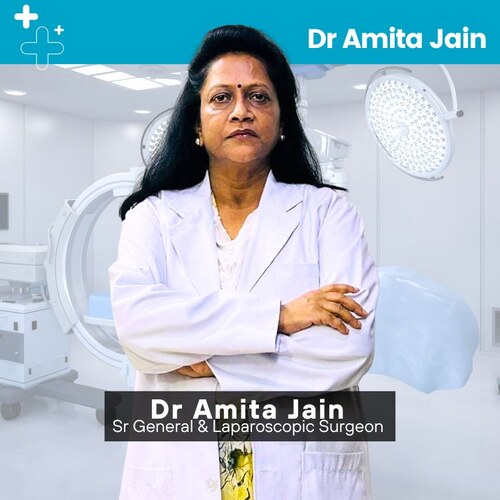
Dr Amita Jain is one of India’s most distinguished and experienced female surgeons and proctologists, known for her unmatched expertise in general, advanced laparoscopic, and laser proctology surgery. With over 30 years of surgical excellence, Dr Amita Jain has built a reputation for precision, compassionate care, and advanced surgical techniques.
Dr Jain has successfully performed a wide range of complex general surgeries, including both open and minimally invasive procedures, with a strong focus on trauma care, onco-surgical techniques, and reconstructive surgeries. Her medical specialisation includes: gallbladder surgeries, appendix removal surgeries, hernia repair surgeries, Pilonidal Sinus treatments, varicose vein and piles surgeries, fistula surgeries and fissure surgeries.
Dr Jain, currently serves as Senior Consultant and Head of Department (General, Laser, Proctology and Laparoscopic Surgeries) across premier medical networks in South Delhi:
Daffodils by Artemis Hospitals: Spring Meadows, East of Kailash, New Delhi. Book Appointment
Fortis C-DOC Hospital: B-16, Chirag Enclave, New Delhi. Book Appointment
Rosewalk Luxury Multi-Specialty & Maternity Hospital: Panchsheel Park, New Delhi. Book Appointment
Rainbow Children’s Hospital: Malviya Nagar, New Delhi. Book Appointment
Learn More about Dr Amita Jain.
Dr Amita Jain has also authored some of the key medical journals and publications, like ResearchGate, IJSR
Note: This article is written and reviewed by Dr Amita Jain, while referring to her medical journals and publications.